
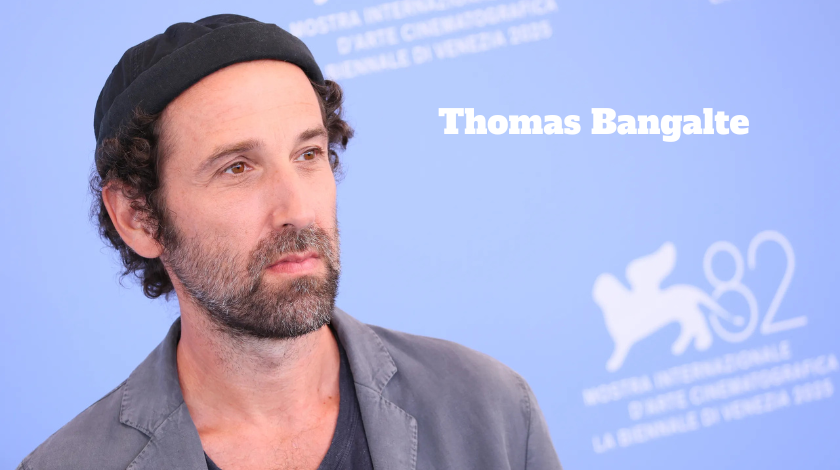

When people think of electronic music legends, few names command as much respect as Thomas Bangalter. Best known as one-half of Daft Punk, Bangalter has spent more than three decades reshaping how the world experiences music, technology, and artistic identity. His career stretches far beyond chart-topping hits and iconic robot helmets. He has consistently reinvented himself, moving from underground house music to orchestral compositions, ballet scores, film soundtracks, and avant-garde art collaborations.
Born on January 3, 1975, in France, Bangalter grew up during a period when electronic instruments were becoming increasingly accessible to musicians. Unlike many artists who spend their entire careers refining a single style, he has continuously challenged expectations. Whether producing dance-floor anthems, composing for ballet, or experimenting with large-scale multimedia installations, he has maintained a reputation for innovation and creative risk-taking. According to recent interviews, Bangalter continues to prioritize artistic exploration over commercial success, a philosophy that has defined his entire career.
Early Life and Musical Roots
Music was woven into Bangalter’s life from an early age. His father, Daniel Vangarde, was a successful songwriter and producer, exposing him to professional music production techniques long before most aspiring musicians ever entered a studio. This environment nurtured both technical curiosity and creative ambition.
As a teenager, Bangalter experimented with various instruments while developing a fascination with electronic sounds. During the late 1980s and early 1990s, house music from Chicago and techno from Detroit began influencing European club culture. These genres would become foundational to his artistic identity. Instead of simply consuming music, Bangalter became obsessed with understanding how records were made. This curiosity would eventually lead him toward groundbreaking production methods that influenced an entire generation of artists.
Family Background and Influences
Growing up in a creative household provided Bangalter with an unusual perspective on artistic careers. He witnessed firsthand how songs were written, arranged, and produced. This exposure gave him confidence to pursue unconventional musical paths.
His influences extended beyond dance music. Classical composition, film scores, rock music, disco, and experimental art all played important roles in shaping his creative outlook. This eclectic mix explains why Bangalter’s work often transcends traditional genre boundaries. Even during Daft Punk’s most commercially successful years, traces of funk, orchestral music, and cinematic storytelling could be heard throughout their catalog.
The Birth of Daft Punk
Meeting Guy-Manuel de Homem-Christo
One of the most significant moments in modern electronic music history occurred when Bangalter met Guy-Manuel de Homem-Christo during their school years in Paris. The two quickly discovered a shared passion for music and experimentation. What began as friendship soon evolved into creative collaboration.
Initially, they played in a rock band called Darlin’. Although the project received limited success, it laid the groundwork for something much bigger. After receiving a review that described their music as “daft punky trash,” they embraced the criticism and transformed it into the name that would eventually become legendary.
Creating a New Sound for Electronic Music
The early 1990s represented a golden era for electronic music experimentation. Bangalter and Homem-Christo immersed themselves in house music, sampling culture, and emerging digital technologies. Their goal was simple but ambitious: create music that felt both futuristic and deeply human.
This philosophy became the foundation of Daft Punk. Unlike many electronic acts focused solely on club audiences, they combined dance rhythms with emotional melodies, memorable hooks, and sophisticated production techniques. The result was a sound that appealed to underground enthusiasts and mainstream listeners alike.
Daft Punk’s Rise to Global Fame
Homework and the French House Revolution
Released in 1997, the album Homework transformed electronic music. Tracks like Around the World and Da Funk introduced millions of listeners to the French house movement. The album’s raw energy, repetitive grooves, and innovative sampling techniques established Daft Punk as pioneers.
What made Homework remarkable was its balance between simplicity and sophistication. Bangalter understood that great dance music didn’t need excessive complexity. Instead, he focused on groove, rhythm, and texture. This approach helped shape electronic music production for decades to come.
Discovery and Mainstream Success
If Homework built the foundation, Discovery launched Daft Punk into global superstardom. Released in 2001, the album featured classics such as One More Time, Digital Love, and Harder, Better, Faster, Stronger.
Discovery demonstrated Bangalter’s ability to merge nostalgia with innovation. Drawing inspiration from disco, funk, and pop, the album created a colorful sonic universe that still feels fresh today. Many critics consider it one of the most influential electronic albums ever recorded.
Random Access Memories and Grammy Recognition
In 2013, Daft Punk released Random Access Memories, a project that celebrated human musicianship in an increasingly digital age. Featuring collaborations with artists such as Pharrell Williams and Nile Rodgers, the album became a worldwide phenomenon.
The hit single Get Lucky dominated charts across the globe. The album later earned multiple Grammy Awards, including Album of the Year. It represented the culmination of Bangalter’s long-standing fascination with blending technology and humanity into a unified artistic experience.
| Album | Release Year | Notable Songs | Impact |
|---|---|---|---|
| Homework | 1997 | Da Funk, Around the World | Defined French House |
| Discovery | 2001 | One More Time, Digital Love | Global breakthrough |
| Human After All | 2005 | Robot Rock | Experimental evolution |
| Random Access Memories | 2013 | Get Lucky, Instant Crush | Grammy-winning success |
The Mystery Behind the Helmets
Branding, Identity, and Artistic Freedom
The robot helmets became one of the most recognizable images in modern music. Yet for Bangalter, anonymity was never simply a marketing strategy. It was a creative tool.
By removing personal identity from the spotlight, Daft Punk encouraged audiences to focus on the music itself. The helmets transformed Bangalter and Homem-Christo into characters rather than celebrities. This approach granted them artistic freedom rarely enjoyed by globally famous musicians.
Interestingly, since Daft Punk’s breakup in 2021, Bangalter has gradually stepped away from the robotic persona. In several recent interviews, he explained that technological symbolism carried different meanings in today’s AI-driven world than it did when Daft Punk first emerged.
Thomas Bangalter’s Solo Career
Roulé Records and Early Independent Projects
Long before Daft Punk ended, Bangalter explored solo projects. His independent label, Roulé, became highly influential within house music circles. Through the label, he released tracks that showcased a more experimental and club-oriented side of his creativity.
These projects revealed his remarkable versatility. While Daft Punk appealed to global audiences, Roulé allowed Bangalter to engage directly with underground dance culture. Many producers still study these releases as examples of innovative sampling and groove construction.
Film Scores and Experimental Music
Bangalter’s interests eventually expanded into cinema and multimedia projects. He composed music for films, art installations, and contemporary performances. These endeavors demonstrated that his talent extended far beyond dance music.
Rather than chasing commercial hits, he pursued projects that challenged him creatively. This willingness to explore unfamiliar territory became one of the defining characteristics of his post-Daft Punk career.
Mythologies and Classical Composition
Perhaps the most surprising chapter of Bangalter’s career arrived with Mythologies, his orchestral ballet work released in 2023. The project featured traditional orchestral arrangements rather than electronic production. Critics praised the score for its emotional depth and compositional sophistication.
The success of Mythologies demonstrated that Bangalter was never confined by genre labels. He approached classical composition with the same curiosity and precision that had defined his electronic work.
Recent Projects and Activities in 2025–2026
Fashion, Art Installations, and Ballet Collaborations
Recent years have been exceptionally productive for Bangalter. He composed original music for fashion presentations, collaborated with artists on immersive installations, and continued creating music for dance productions. One notable project involved composing the soundtrack for an innovative fashion show featuring advanced LED-integrated garments. Bangalter described the collaboration as an opportunity to explore the intersection of technology, craftsmanship, and human creativity.
He has also partnered with renowned visual artists on large-scale public installations, expanding his influence beyond traditional music spaces. These projects reflect his ongoing commitment to interdisciplinary creativity.
Mirage Ballet for 16 Dancers
One of Bangalter’s most significant recent works is Mirage Ballet for 16 Dancers, announced in 2026. Created in collaboration with choreographer Damien Jalet and artist Kohei Nawa, the project blends minimalist electronic music with contemporary dance performance.
The release further demonstrates his evolution from dance-floor architect to multidisciplinary composer. Rather than revisiting old formulas, Bangalter continues exploring new artistic landscapes.
Thomas Bangalter’s Musical Style
Production Techniques and Innovation
What separates Bangalter from many producers is his deep understanding of texture, rhythm, and emotional storytelling. His productions often rely on deceptively simple structures enhanced by intricate layering and meticulous sound design.
He pioneered techniques that became hallmarks of French house music, including filtered disco samples, dynamic compression, and repetitive grooves that evolve gradually over time. These methods influenced countless producers across genres ranging from EDM to pop and hip-hop.
Influence on Modern Electronic Music
The impact of Bangalter’s work can be heard almost everywhere in contemporary music. Artists across electronic, pop, hip-hop, and alternative genres have borrowed elements from his production style. His influence extends beyond specific sounds to broader concepts about creativity, identity, and innovation.
Many modern producers cite Daft Punk as a primary inspiration. Industry discussions and fan communities frequently highlight Bangalter’s exceptional attention to detail and ability to transform simple ideas into unforgettable musical experiences.
Legacy and Cultural Impact
Influence on Artists and Producers Worldwide
Few musicians have reshaped an entire genre as profoundly as Bangalter. His contributions helped elevate electronic music from niche club culture into mainstream global entertainment. Along the way, he inspired countless artists to experiment fearlessly and challenge conventions.
From underground DJs to Grammy-winning superstars, musicians continue drawing inspiration from his work. The techniques he popularized remain fundamental elements of modern production.
Why Thomas Bangalter Still Matters Today
Even after Daft Punk’s breakup, Bangalter remains one of the most fascinating figures in contemporary music. His recent projects prove that creativity does not diminish with success. Instead, he continues searching for new forms of expression.
In a cultural landscape often driven by trends and algorithms, Bangalter represents something increasingly rare: an artist committed to exploration for its own sake. His willingness to evolve ensures that his influence extends far beyond nostalgia for Daft Punk’s greatest hits.
Conclusion
Thomas Bangalter’s journey is a remarkable story of innovation, reinvention, and artistic courage. From transforming electronic music through Daft Punk to composing orchestral ballets and immersive multimedia experiences, he has consistently expanded the boundaries of what music can be. His career demonstrates that true creativity is not about repeating successful formulas but embracing curiosity and change.
As of 2026, Bangalter remains an active force in music, dance, fashion, and contemporary art. Whether through groundbreaking albums, experimental performances, or collaborative installations, he continues to inspire audiences and creators around the world. His legacy is not merely the music he has produced but the mindset he represents: fearless experimentation combined with unwavering artistic integrity.
FAQs
1. Who is Thomas Bangalter?
Thomas Bangalter is a French musician, composer, producer, and co-founder of Daft Punk, one of the most influential electronic music acts in history.
2. Why did Daft Punk break up?
Daft Punk officially ended in 2021. Bangalter later suggested that changing perspectives on technology and creative evolution influenced the decision.
3. What is Thomas Bangalter doing now?
Bangalter is actively involved in ballet compositions, art installations, fashion collaborations, and contemporary music projects.
4. What is Mythologies?
Mythologies is Bangalter’s 2023 orchestral ballet score, marking a major shift from electronic music toward classical composition.
5. Will Daft Punk reunite?
There is no official indication of a reunion. Recent interviews suggest Bangalter is focused on new artistic directions rather than reviving Daft Punk.