
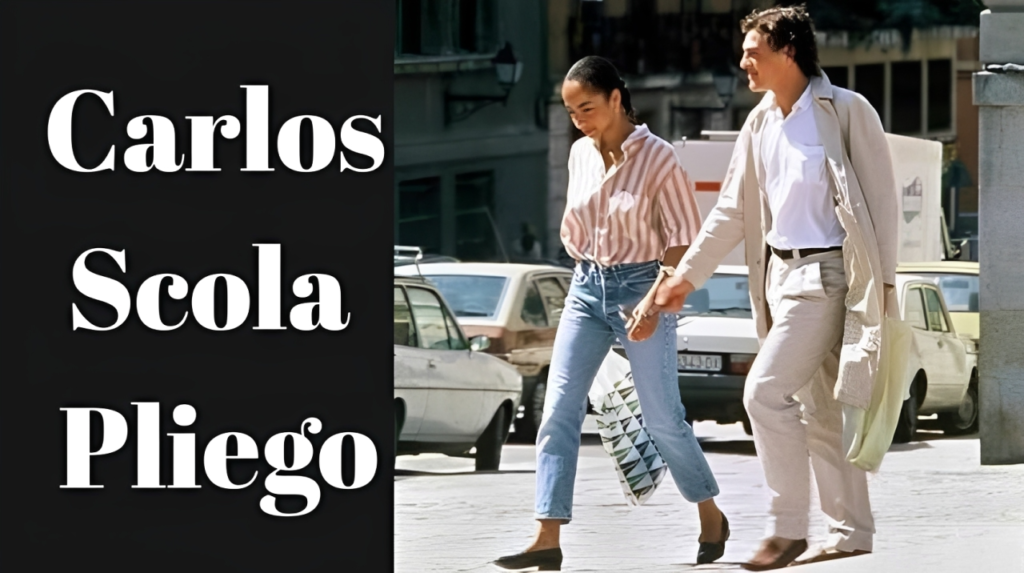

Carlos Scola Pliego is a Spanish filmmaker, assistant director, screenwriter, and director whose career has largely unfolded behind the scenes. Unlike many people associated with celebrities, he never sought publicity or attempted to build a public image around his personal relationships. Today, he is widely recognized because of his former marriage to the acclaimed British-Nigerian singer Sade Adu, but his professional career in cinema began long before that relationship attracted media attention.
His story is unusual because verified information is surprisingly limited. While many entertainment websites speculate about his age, finances, and current lifestyle, mainstream records confirm only a handful of facts. Film databases document his work on several international productions during the 1980s, showing that he contributed as an assistant director and later directed his own projects. Those credits demonstrate that he established a genuine career within the European film industry instead of simply being known as a celebrity spouse.
Early Life and Spanish Background
What Is Publicly Known
Carlos Scola Pliego was born in Spain, although his exact birth date and hometown have never been publicly confirmed. Unlike actors or musicians who often share their biographies through interviews, Pliego has remained exceptionally private throughout his life. Reliable public records reveal very little regarding his childhood, education, or family background.
Why So Much Information Is Missing
The absence of detailed information appears to be intentional rather than accidental. Throughout his career, Carlos avoided interviews and maintained a low profile even while working on internationally recognized productions. Because of this privacy, numerous online articles include conflicting or unsupported claims. Readers should distinguish between documented film credits and speculative biographies.
Entering the Film Industry
Early Assistant Director Roles
Carlos Scola Pliego worked extensively as an assistant director during the early 1980s. His filmography includes work on internationally recognized productions such as Never Say Never Again (1983), Curse of the Pink Panther (1983), Hundra (1983), G’olé! (1983), Eleni (1985), and the television miniseries Christopher Columbus (1985). These productions demonstrate that he gained valuable experience working alongside established filmmakers and large production teams.
Building a Reputation Behind the Camera
Rather than pursuing fame, Carlos specialized in production management and assistant directing. These positions require organizational ability, communication, and logistical planning. While audiences rarely recognize assistant directors, they play an essential role in keeping productions running efficiently. His consistent employment across multiple international projects suggests that he earned the trust of producers and directors within the industry.
Directorial and Writing Projects
Documentary Work
After gaining production experience, Carlos expanded into directing and writing. One notable project was Ngira: Gorilas en la montaña (1988), where he received both directing and writing credits. This documentary reflected an interest in wildlife and environmental storytelling rather than commercial entertainment.
Feature Film Contributions
He later directed and wrote Donde termina el corazón (1989). Although the film never achieved widespread international recognition, it marked his transition from supporting production roles into creative leadership. This progression illustrates how many professionals gradually move from technical positions into directing after years of practical experience.
Marriage to Sade Adu
How They Met
Carlos Scola Pliego is best known internationally because of his relationship with the iconic singer Sade Adu. Reports indicate that the couple met during work connected with Sade’s projects in Spain during the late 1980s. Their relationship eventually led to marriage in 1989.
Marriage and Life Together
Their marriage attracted media attention because Sade herself has always maintained a relatively private lifestyle despite worldwide success. Even during their relationship, Carlos rarely appeared in interviews or celebrity events. Their partnership stood apart from many celebrity marriages because both individuals generally preferred to avoid unnecessary publicity.
Divorce and Privacy
The marriage ended in 1995. Neither Carlos nor Sade publicly discussed the details of their separation at length. After the divorce, Carlos continued living away from the spotlight, and reliable information about his subsequent personal life remains scarce. This commitment to privacy has contributed to the continuing curiosity surrounding him.
Career Highlights
Notable Film Credits
| Project | Year | Role |
|---|---|---|
| Dos y dos, cinco | 1981 | Second Assistant Director |
| Black Commando | 1982 | Second Assistant Director |
| Never Say Never Again | 1983 | Assistant Director (Spain) |
| Curse of the Pink Panther | 1983 | Assistant Director |
| Hundra | 1983 | Second Assistant Director |
| G’olé! | 1983 | Assistant Director |
| Eleni | 1985 | Assistant Director |
| Christopher Columbus | 1985 | Assistant Director |
| Ngira: Gorilas en la montaña | 1988 | Co-director & Writer |
| Donde termina el corazón | 1989 | Director & Writer |
Source: IMDb filmography and related public records.
Comparison of Major Projects
| Area | Early Career | Later Career |
|---|---|---|
| Primary Role | Assistant Director | Director & Writer |
| Focus | International productions | Independent creative projects |
| Recognition | Industry professional | Limited public visibility |
| Public Exposure | Very Low | Very Low |
Public Image
Life Away From Fame
One of the most interesting aspects of Carlos Scola Pliego’s life is how successfully he avoided celebrity culture. In today’s world, where many public figures actively cultivate online audiences, Carlos represents the opposite approach. His reputation has been built almost entirely through professional credits rather than media appearances.
This privacy has led to frequent speculation online, including claims regarding his age, wealth, and current residence. Many of these assertions cannot be independently verified. Responsible biographies therefore focus on documented facts instead of repeating unsupported rumors.
Legacy
Carlos Scola Pliego may never have become a household name, but his career illustrates the importance of professionals working behind the camera. Assistant directors, writers, and production staff are essential to filmmaking, even if audiences rarely recognize their names.
His connection to Sade introduced him to a wider audience, yet his own professional record demonstrates meaningful contributions to film production during the 1980s. His story also serves as a reminder that not everyone associated with celebrity chooses a public life. In an era dominated by social media visibility, Carlos Scola Pliego remains an example of someone whose legacy rests on work rather than publicity.
Conclusion
Carlos Scola Pliego occupies an unusual place in entertainment history. He is remembered both for his film career and for his marriage to one of the world’s most respected singers. Verified records confirm his work on numerous international productions as an assistant director before he moved into directing and screenwriting. At the same time, much of his personal life remains intentionally private, making him a figure of enduring curiosity.
Rather than filling gaps with speculation, the most accurate portrait recognizes both what is known and what remains undocumented. His film credits provide tangible evidence of a dedicated professional whose contributions took place behind the scenes, where much of the magic of filmmaking truly happens.
FAQs
1. Who is Carlos Scola Pliego?
Carlos Scola Pliego is a Spanish filmmaker, assistant director, writer, and director who is also known as the former husband of singer Sade Adu.
2. Was Carlos Scola Pliego married to Sade?
Yes. Carlos Scola Pliego and Sade married in 1989 and divorced in 1995.
3. What films did Carlos Scola Pliego work on?
His documented credits include Never Say Never Again, Curse of the Pink Panther, Hundra, Eleni, Christopher Columbus, Ngira: Gorilas en la montaña, and Donde termina el corazón.
4. Is Carlos Scola Pliego still active in filmmaking?
There is little verified public information about his recent professional activities, and he has maintained a very private lifestyle.
5. Why is there so little information about Carlos Scola Pliego?
Carlos Scola Pliego has consistently avoided publicity and media attention, resulting in limited verified public information about his personal life.