
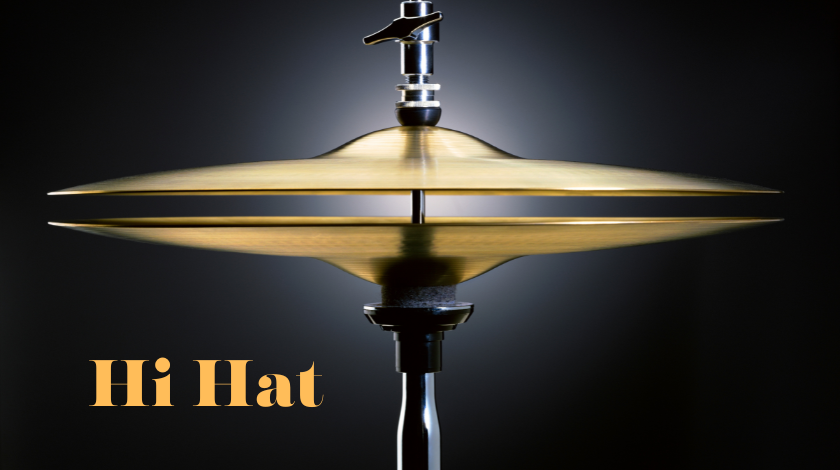

A hi hat is one of the most recognizable and expressive instruments on a modern drum kit. It consists of two cymbals mounted on a vertical stand and controlled by a foot pedal. Unlike crash or ride cymbals, the hi hat offers an incredible range of sounds because the drummer can instantly change the distance between the two cymbals. Press the pedal, and the cymbals close with a crisp “chick.” Release it, and the cymbals open to create a shimmering wash of sound. This simple mechanical design gives drummers remarkable control over rhythm, dynamics, and musical expression.
The modern hi hat became a standard component of drum kits during the 1920s after evolving from the earlier “low-boy” pedal cymbal. Early versions could only be played with the foot because they sat close to the ground. Once manufacturers raised the cymbals high enough for sticks to reach them, drummers suddenly gained a completely new musical voice. This innovation transformed jazz performance and later became essential across rock, pop, funk, blues, metal, gospel, country, and countless other genres. Today, nearly every commercial drum set includes a hi hat because it serves as both a rhythmic foundation and a dynamic accent instrument.
The History of the Hi Hat
The story of the hi hat is a fascinating example of musical innovation driven by practical needs. Before the hi hat existed, drummers relied on devices known as “clangers” and later the “low-boy.” These pedal-operated cymbals allowed musicians to keep time with their feet while leaving their hands free for snare and bass drum work. Around the mid-1920s, instrument makers—including the Walberg and Auge Drum Company helped develop a taller version that allowed both hand and foot playing. That change forever altered the language of drumming.
Jazz pioneer Papa Jo Jones played a major role in popularizing the instrument by shifting timekeeping from the bass drum to the hi hat. His smooth swing patterns created lighter, more flowing grooves that influenced generations of drummers. As musical styles evolved through swing, bebop, rock, funk, and fusion, the hi hat continued adapting with larger sizes, heavier weights, and specialized cymbal designs. Research into drum performance between 1960 and 1974 also highlights how hi-hat playing became central to defining modern popular music styles.
Anatomy of a Modern Hi Hat
Although the hi hat appears simple, every component contributes to its sound and feel. The top cymbal is attached to a clutch connected to a pull rod, while the bottom cymbal remains fixed on the stand. A spring-loaded pedal allows the drummer to open and close the cymbals instantly, creating everything from tight rhythmic clicks to long, shimmering washes.
Modern stands also include adjustable spring tension, pedal height, leg positioning, and cymbal tilt. These features allow drummers to customize responsiveness for different playing styles. Jazz players often prefer lighter pedal tension for subtle control, while rock and metal drummers usually choose tighter settings for fast, aggressive footwork. High-end stands also feature chain-drive or direct-drive pedals that improve durability and responsiveness. The result is an instrument capable of incredible nuance despite its relatively simple design.
Types of Hi Hats
Hi hats come in many sizes and weights, each producing a distinct character.
| Size | Typical Sound | Best For |
|---|---|---|
| 10–12 inch | Bright and quick | Electronic music, effects |
| 13 inch | Crisp and articulate | Pop, gospel |
| 14 inch | Balanced and versatile | All-around use |
| 15 inch | Deep and warm | Jazz, rock |
| 16 inch | Huge and powerful | Experimental, metal |
Weight also dramatically affects tone. Thin hi hats respond quickly with darker, softer sounds, while heavy models produce brighter projection that cuts through loud bands. Specialty hi hats now include vented bottoms, raw bells, hammered finishes, and hybrid designs intended for specific musical applications.
Playing Techniques
Mastering the hi hat is about far more than simply striking cymbals repeatedly. Professional drummers constantly vary stick placement, pedal pressure, opening distance, and timing. Even subtle foot movements dramatically change the tone. A fully closed hi hat creates tight articulation, while partially opened cymbals generate a sizzling texture that adds excitement to grooves.
The famous foot chick technique—closing the cymbals using only the pedal—is especially important in jazz, where beats two and four often receive subtle accents. Rock drummers frequently alternate between closed eighth notes and explosive open accents during choruses. Funk players rely on intricate sixteenth-note patterns combined with ghost notes, while metal drummers often execute rapid double-time hi-hat figures requiring exceptional endurance and precision. These techniques demonstrate why the hi hat is often considered the heartbeat of the drum kit rather than merely another cymbal.
Choosing the Best Hi Hat
Selecting the right hi ht depends on your musical goals, playing style, and budget. Beginners often achieve excellent versatility with standard 14-inch medium-weight hi hats because they perform well across almost every genre. Intermediate drummers may experiment with darker cymbals for jazz or brighter models for rock. Professional musicians frequently own multiple pairs suited to different recording sessions and live performances.
When evaluating hi hats, consider several factors:
- Diameter
- Weight
- Material
- Volume
- Responsiveness
- Musical genre
- Budget
Many experienced drummers recommend testing cymbals in person whenever possible because even two seemingly identical models can exhibit subtle tonal differences due to manufacturing variations.
Famous Drummers and Their Hi Hat Styles
Some of history’s greatest drummers became instantly recognizable through their hi-hat playing. Papa Jo Jones revolutionized jazz by emphasizing flowing hi-hat rhythms. John Bonham created thunderous rock grooves with powerful foot control and dynamic accents. Clyde Stubblefield crafted legendary funk patterns filled with syncopated hi-hat work, while Stewart Copeland developed bright, intricate rhythms that became a defining feature of The Police.
Modern drummers continue expanding the instrument’s vocabulary using stacked cymbals, electronic triggers, hybrid kits, and creative pedal techniques. Online communities also reveal growing popularity for larger 15-inch and custom-mixed hi-hat combinations among contemporary players seeking darker, more expressive sounds.
Maintenance Tips
Proper maintenance keeps hi hats sounding their best for years. Dust and fingerprints gradually dull the finish, while dirt accumulating around the clutch and stand can affect smooth pedal action. Cleaning cymbals with manufacturer-approved products preserves their appearance without damaging protective coatings.
Regular inspection is equally important. Check the clutch felt washers, tighten loose wing nuts, lubricate moving parts, and replace worn springs when necessary. Transporting hi hats in padded cymbal bags also reduces the risk of edge damage. A well-maintained pair of quality hi hats can easily provide decades of reliable performance.
Conclusion
The hi hat is much more than two cymbals on a stand. It is the rhythmic heartbeat of modern drumming, capable of producing delicate whispers, crisp accents, and explosive textures with only slight changes in foot pressure and stick technique. From its humble beginnings as the low-boy pedal cymbal to today’s sophisticated professional designs, the hi hat has continuously evolved alongside popular music.
Whether you’re just beginning your drumming journey or refining advanced techniques, investing time in mastering the hi hat pays enormous musical dividends. Developing control over open and closed sounds, dynamic expression, and rhythmic precision transforms not only your hi-hat playing but your overall musicianship. Few instruments offer such an extraordinary combination of simplicity, versatility, and expressive potential.
FAQs
1. What size hi hat is most popular?
The 14-inch hi ht remains the industry standard because it offers an excellent balance between projection, articulation, and versatility.
2. Why are two cymbals used instead of one?
The two-cymbal design allows drummers to create both open and closed sounds instantly using the foot pedal.
3. Can beginners use expensive hi hats?
Yes, but mid-range models usually provide excellent value while beginners develop technique.
4. Which music genres use the hi hat the most?
Virtually every modern style including jazz, rock, pop, funk, blues, country, hip-hop, gospel, and metal—relies heavily on hi-hat performance.
5. How long do hi hats typically last?
With proper care and correct playing technique, quality hi hats can remain in excellent condition for many years, and often decades.