
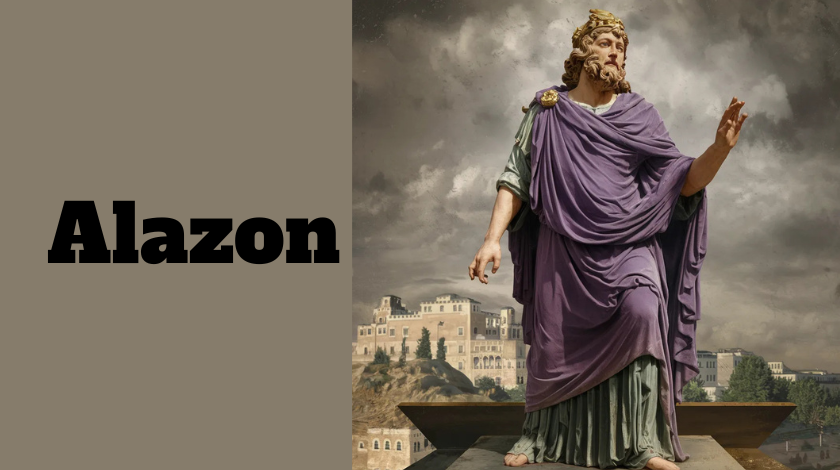

The word Alazon comes from ancient Greek literature and refers to a boastful impostor someone who exaggerates achievements, abilities, or status in order to impress others. Rather than being genuinely powerful or accomplished, the alazon creates an inflated image of themselves that eventually falls apart. This literary character became one of the most recognizable stock figures in Greek comedy and continues to influence storytelling today.
Although the term originated thousands of years ago, its relevance has hardly faded. From overconfident politicians to arrogant villains in movies and even self-promoting personalities on social media, the alazon remains a familiar figure. Writers, psychologists, and communication experts frequently discuss this archetype because it reflects a timeless human tendency toward exaggeration and self-deception.
Understanding the Meaning of Alazon
Origin of the Word
The Greek word ἀλαζών (alazōn) originally described someone who wandered about making false claims or empty boasts. Over time, it came to signify a braggart, pretender, or impostor whose confidence greatly exceeded their actual ability. Ancient playwrights used the alazon as a comic obstacle who believed themselves superior to everyone else.
Unlike a confident hero, the alazon lacks genuine self-awareness. Their exaggerated ego often creates humorous situations because audiences can clearly see the gap between reality and self-perception.
Literal and Symbolic Meaning
Symbolically, the alazon represents the dangers of pride without substance. The character reminds audiences that appearance and reality are not always the same. Someone may loudly advertise success while possessing very little actual competence.
This symbolism explains why the archetype has survived across centuries. Whether in literature, politics, or business, people still recognize those who overpromise and underdeliver.
The Alazon in Ancient Greek Comedy
Role in Classical Theatre
In ancient Greek comedy, the alazon typically served as the primary obstacle standing in the hero’s way. The character often occupied a position of authority or social status, making their eventual humiliation even more satisfying for audiences. Their excessive pride usually prevented them from recognizing obvious truths, creating comic tension throughout the play.
The dramatic purpose of the alazon was not merely to entertain but also to criticize arrogance and hypocrisy. Greek playwrights used comedy as a form of social commentary, exposing the weaknesses of those who abused power or exaggerated their importance.
Conflict with the Eiron
The alazon’s traditional opponent is the eiron, a clever, understated character who often appears less capable than they truly are. While the alazon boasts loudly, the eiron succeeds through intelligence, humility, and careful strategy.
This contrast remains common in modern storytelling. Countless films feature a loud, arrogant villain defeated by a calm and resourceful protagonist.
Common Types of Alazon
| Character Type | Description | Famous Example |
|---|---|---|
| Miles Gloriosus | Boastful soldier | Plautus’ Miles Gloriosus |
| Senex Iratus | Angry old authority figure | Greek and Roman comedy |
| False Expert | Claims knowledge without evidence | Modern satire |
| Pretentious Leader | Inflates achievements | Contemporary fiction |
Miles Gloriosus
Perhaps the best-known version of the alazon is the Miles Gloriosus, or “braggart soldier.” This character constantly boasts about military victories, courage, and romantic success, yet usually proves cowardly or incompetent when challenged. The Roman playwright Plautus popularized this figure, influencing European theatre for centuries.
Senex Iratus
Another important variation is the Senex Iratus, the angry old man who attempts to control younger characters through authority rather than wisdom. His stubbornness often creates the central conflict before being overcome by youthful intelligence and determination.
Characteristics of an Alazon
Pride and Self-Deception
Several traits consistently define the alazon:
- Excessive self-confidence
- Constant boasting
- Lack of self-awareness
- Desire for admiration
- False claims of expertise
- Resistance to criticism
These qualities combine to create a character who appears powerful at first but eventually exposes their own weaknesses.
Why Audiences Recognize the Character
People instinctively recognize the alazon because similar personalities exist in everyday life. We’ve all encountered individuals who exaggerate accomplishments, dismiss criticism, or portray themselves as experts despite limited knowledge.
Psychologists often distinguish healthy confidence from narcissistic overconfidence, and the alazon clearly falls into the latter category. This psychological realism contributes to the archetype’s enduring popularity.
Alazon in Literature
Greek and Roman Examples
The alazon appears throughout Greek and Roman literature. Aristophanes employed boastful authority figures in his comedies, while Plautus developed the archetype into memorable comic characters. These works laid the foundation for later European drama.
Shakespeare’s Adaptations
William Shakespeare adapted the alazon tradition in several plays. Characters such as Pistol and Parolles display exaggerated confidence and inflated self-importance before being exposed. Their comic downfall follows the same dramatic pattern established centuries earlier in Greek theatre.
Alazon in Modern Culture
Movies and Television
Modern entertainment continues to rely on the alazon archetype. The arrogant executive, boastful athlete, corrupt politician, and overconfident villain all reflect the same dramatic tradition.
Audiences enjoy watching these characters because their exaggerated pride naturally leads to dramatic irony. Viewers recognize flaws that the character cannot see.
Politics and Business
Outside fiction, commentators sometimes use “alazon” metaphorically to describe leaders who make extravagant promises unsupported by evidence. The term also applies to business executives who overstate achievements or entrepreneurs who exaggerate innovations.
Of course, using the label requires caution, since confidence alone does not make someone an alazon. The defining feature is persistent exaggeration combined with self-deception.
Psychological Perspective
Confidence vs. Arrogance
Modern psychology distinguishes between confidence rooted in competence and arrogance rooted in insecurity. The alazon represents the second category. Rather than demonstrating real expertise, the character seeks admiration through performance and grandiose claims.
This distinction remains valuable today. Genuine leaders inspire trust through consistent results, while the alazon relies primarily on appearance and rhetoric.
Lessons for Everyday Life
The alazon offers practical lessons beyond literature:
- Humility strengthens credibility.
- Competence eventually outweighs self-promotion.
- Honest self-assessment encourages growth.
- Listening often proves more valuable than boasting.
- Authentic achievements speak louder than exaggerated claims.
These principles explain why educators continue teaching classical literature. Ancient stories still provide remarkably relevant insights into modern human behavior.
Conclusion
The Alazon is much more than an ancient literary character. It represents a timeless warning against empty pride, false confidence, and exaggerated self-image. Originating in Greek comedy, the archetype influenced Roman drama, Shakespearean theatre, and countless modern films, novels, and television shows.
Its enduring appeal lies in its realism. Human nature has changed far less than technology over the past two thousand years. People continue to admire genuine competence while eventually recognizing hollow boasts. Whether encountered on a theatrical stage, in a bestselling novel, or in everyday life, the alazon reminds us that lasting respect is earned through integrity and substance rather than self-promotion.
FAQs
1. What does “Alazon” mean?
An Alazon is a boastful impostor or braggart who exaggerates abilities or achievements beyond reality.
2. Where did the concept originate?
It originated in Ancient Greek comedy, where it served as a stock character opposing the clever eiron.
3. Is the Alazon always a villain?
No. Although often an antagonist, the alazon can also be a comic character whose excessive pride creates humorous situations.
4. Who is an example of an Alazon in literature?
The Miles Gloriosus (“braggart soldier”) from Roman comedy is one of the most famous examples.
5. Why is the Alazon still relevant today?
Because exaggerated self-promotion, overconfidence, and false claims remain common in modern society, making the archetype as recognizable now as it was in ancient Greece.